-
Solar technology
Commercial solar technology
Solar solutions built to boost energy efficiency, reduce costs and support a cleaner, more resilient future for your business.
View all- Solar Panels

- Battery Storage
- Maintenance & Asset Management
- Solar Panels
- Case studies
- Contact


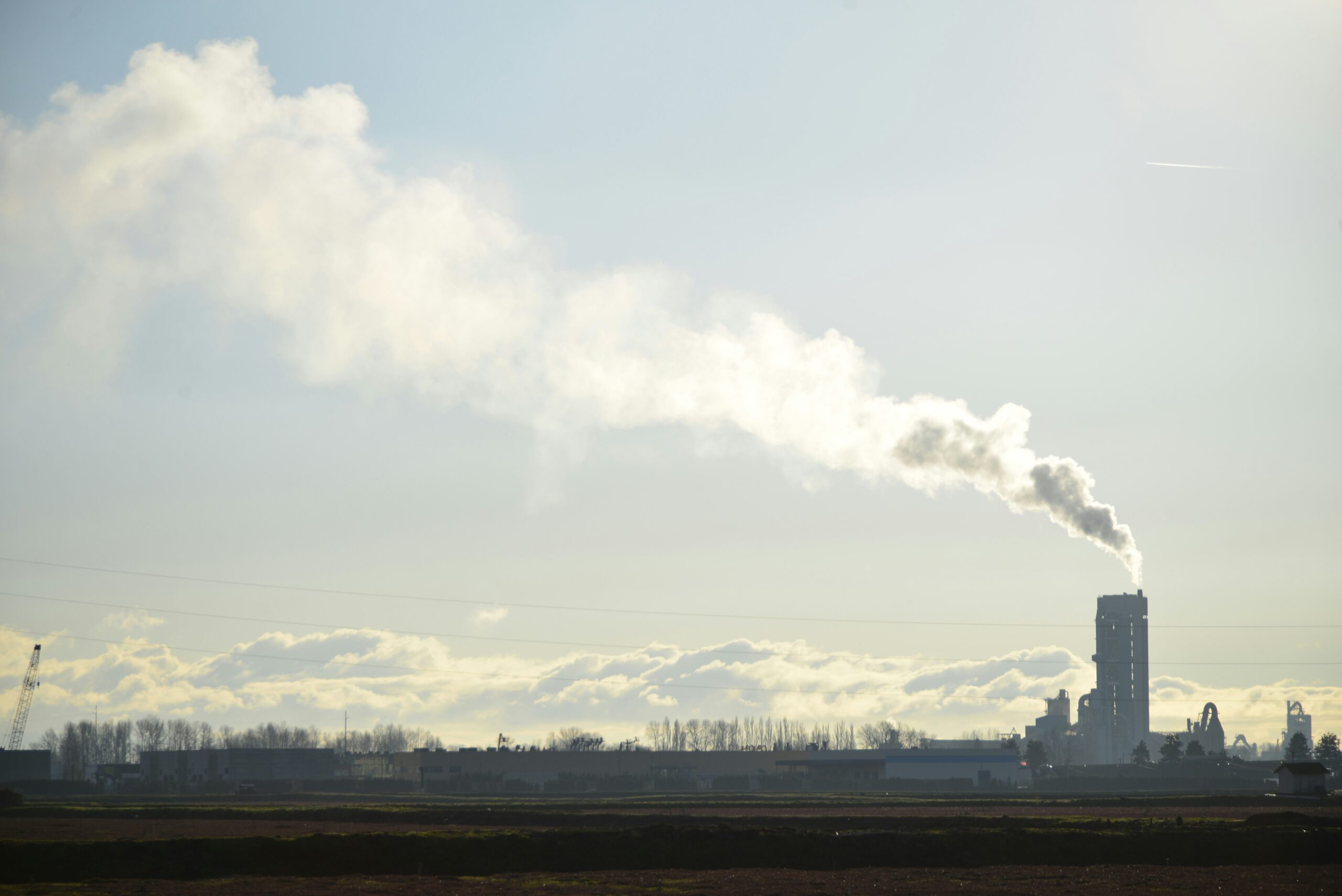
What are scope 1, 2 and 3 emissions?
As businesses across the UK face growing pressure to cut carbon, one question comes up again and again: what are scope 1, 2 and 3 emissions, and why do they matter?
Whether driven by regulation, investor expectations, customer demand or internal net-zero goals, understanding these three emissions “scopes” is now essential for any organisation with serious sustainability ambitions. They form the backbone of corporate carbon accounting and are the starting point for meaningful emissions reduction strategies, especially in energy-intensive commercial and industrial sectors.
This guide explains what scope 1, 2 and 3 emissions are, how they’re calculated, and why they matter for your business.
In this article:
- What are scope 1, 2 and 3 emissions?
- Scope 1 emissions: Direct emissions you control
- Scope 2 emissions: Emissions from purchased energy
- Scope 3 emissions: The full value chain impact
- Why do scope 1, 2 and 3 emissions matter?
- How solar power helps reduce scope 1, 2 and 3 emissions
- Getting started with emissions reduction
What are scope 1, 2 and 3 emissions?
Scope 1, 2 and 3 emissions are categories of greenhouse gas (GHG) emissions defined by the Greenhouse Gas Protocol (GHG Protocol), the most widely used international standard for measuring and reporting corporate carbon footprints.
Together, these scopes help organisations understand where emissions occur across their operations and value chain, making it easier to identify reduction opportunities and track progress over time.
In simple terms:
- Scope 1: covers direct emissions from sources you own or control
- Scope 2: covers indirect emissions from purchased energy
- Scope 3: covers all other indirect emissions across your supply chain
Let’s break each one down.
Scope 1 emissions: Direct emissions you control
Scope 1 emissions are emissions from owned or controlled sources. These are the most direct greenhouse gas emissions associated with your operations.
Common scope 1 emission sources include:
- Fuel combustion in on-site boilers, furnaces or generators
- Company-owned vehicles and fleet fuel use
- Industrial processes that release GHG emissions
- Refrigerant leaks from cooling systems
For many commercial and industrial organisations, scope 1 covers emissions from natural gas heating, diesel back-up generators, or manufacturing processes.
Because these emissions are under your direct control, they’re often the first-place businesses look to reduce emissions; through electrification, energy-efficient equipment, or switching to lower-carbon fuels.
Scope 2 emissions: Emissions from purchased energy
Scope 2 emissions are indirect emissions from the generation of purchased electricity, steam, heating and cooling that your business consumes.
Even though these emissions physically occur at power stations rather than on your site, they’re still attributed to your organisation because your energy demand causes them.
Scope 2 typically includes:
- Purchased grid electricity
- District heating or cooling
- Purchased steam for industrial use
For most organisations, electricity is the single largest source of scope 2 emissions, particularly for offices, warehouses, data centres and factories.
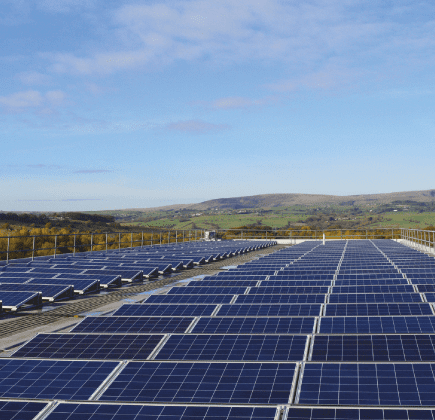
This is where on-site renewable energy, such as commercial solar PV, can make a measurable difference. By generating your own low-carbon electricity, you directly reduce both your scope 2 emissions and long-term energy costs.
Scope 3 emissions: The full value chain impact
Scope 3 emissions include all other indirect emissions that occur across your corporate value chain, both upstream and downstream.
For many organisations, scope 3 emissions account for 70–90% of total carbon footprints.
Scope 3 emissions include:
- Purchased goods and raw materials
- Supply chain and chain emissions
- Transportation and distribution
- Business travel and employee commuting
- Waste generated in operations
- Use of sold products
- End-of-life treatment of products
The Corporate Value Chain (Scope 3) Accounting and Reporting Standard under the GHG Protocol provides detailed guidance on how these emissions should be measured and reported.
While scope 3 emissions are harder to control directly, they highlight where collaboration with suppliers, customers and partners can unlock the biggest reduction opportunities.
Why do scope 1, 2 and 3 emissions matter?
Understanding what scope 1 2 and 3 emissions are is about far more than carbon reporting. These scopes now influence real-world business outcomes.
1. Regulatory and reporting requirements
UK and EU climate reporting standards increasingly require organisations to disclose scope 1 and 2 emissions, with scope 3 following close behind. Many large companies already expect emissions data from suppliers as part of procurement.
2. Investor and customer expectations
Investors, lenders and customers are scrutinising carbon footprints more closely than ever. Transparent emissions reporting builds trust and demonstrates credible climate action.
3. Cost and risk management
Energy use, fuel combustion and supply chain emissions are all linked to long-term cost exposure. Reducing emissions often means lower energy bills, improved efficiency and reduced risk from volatile energy markets.
4. Identifying meaningful reduction opportunities
Breaking emissions down by scope helps businesses focus on the changes that matter most, whether that’s energy efficiency, renewable electricity, or supply chain engagement.
How solar power helps reduce scope 1, 2 and 3 emissions
For commercial and industrial organisations, on-site solar plays a powerful role in emissions reduction:
- Directly cuts scope 2 emissions by reducing reliance on grid electricity
- Supports scope 1 reduction when paired with electrification (replacing gas or diesel systems)
- Contributes to scope 3 reduction by lowering the carbon intensity of products and services sold
Unlike offsetting, solar reduces emissions at source, aligning with best practice under the Greenhouse Gas Protocol and supporting measurable, long-term carbon reduction.
Getting started with emissions reduction
A credible emissions strategy starts with understanding your baseline:
- Measure scope 1 and 2 emissions accurately
- Identify material scope 3 categories
- Prioritise actions with the biggest impact
- Invest in long-term solutions, not short-term fixes
For many organisations, energy generation and consumption is the most practical place to begin, delivering immediate carbon and financial benefits.
Speak to Energy Experts
For commercial and industrial businesses, reducing emissions isn’t just about compliance. It’s about resilience, competitiveness and future-proofing operations in a low-carbon economy.
If you’re exploring how renewable energy can reduce your scope 2 emissions, and support wider net-zero goals, commercial solar is one of the most proven, scalable solutions available today.
Speak to Low Carbon Energy to explore your options. Contact us today online or call us on 01282 421 489.
Energy Technology

Powering your present. Preserving your future.
Call us on 01282 421 489
Accreditations





strategy be a priority?